$14.50
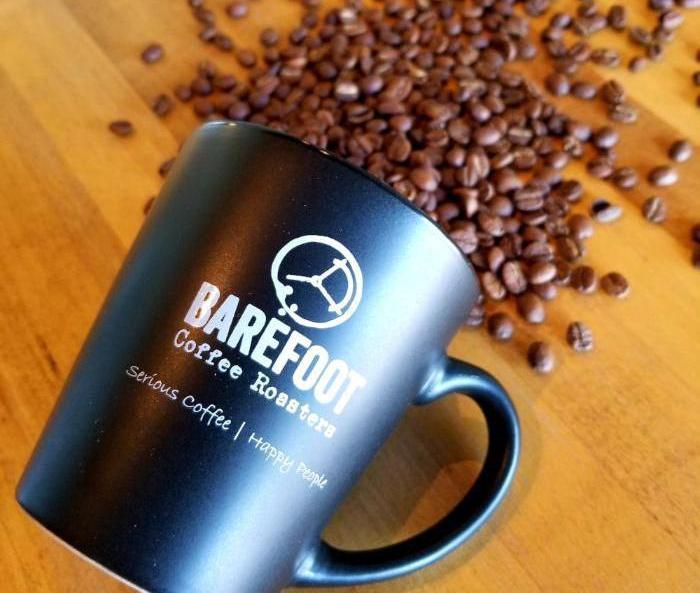
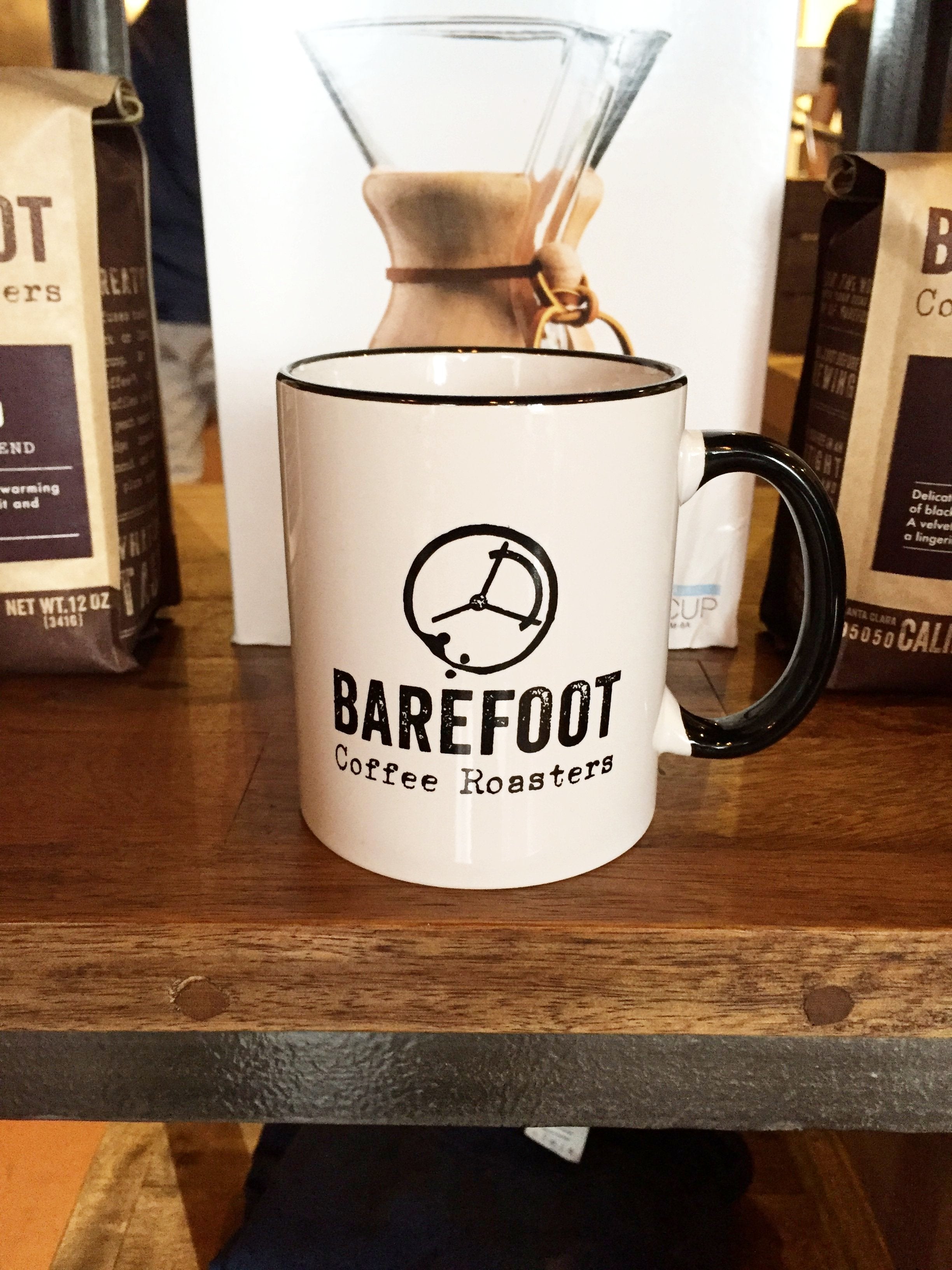
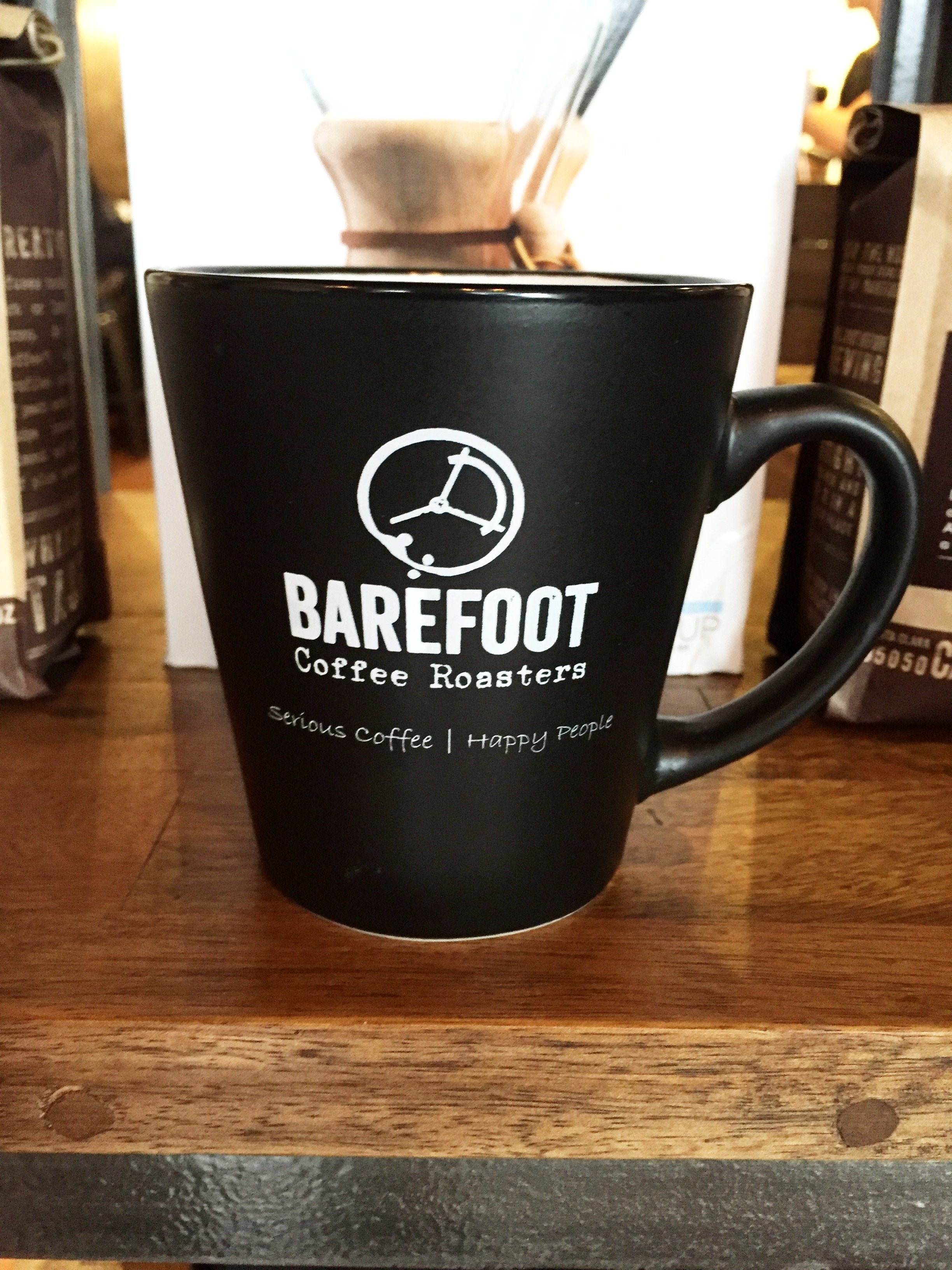
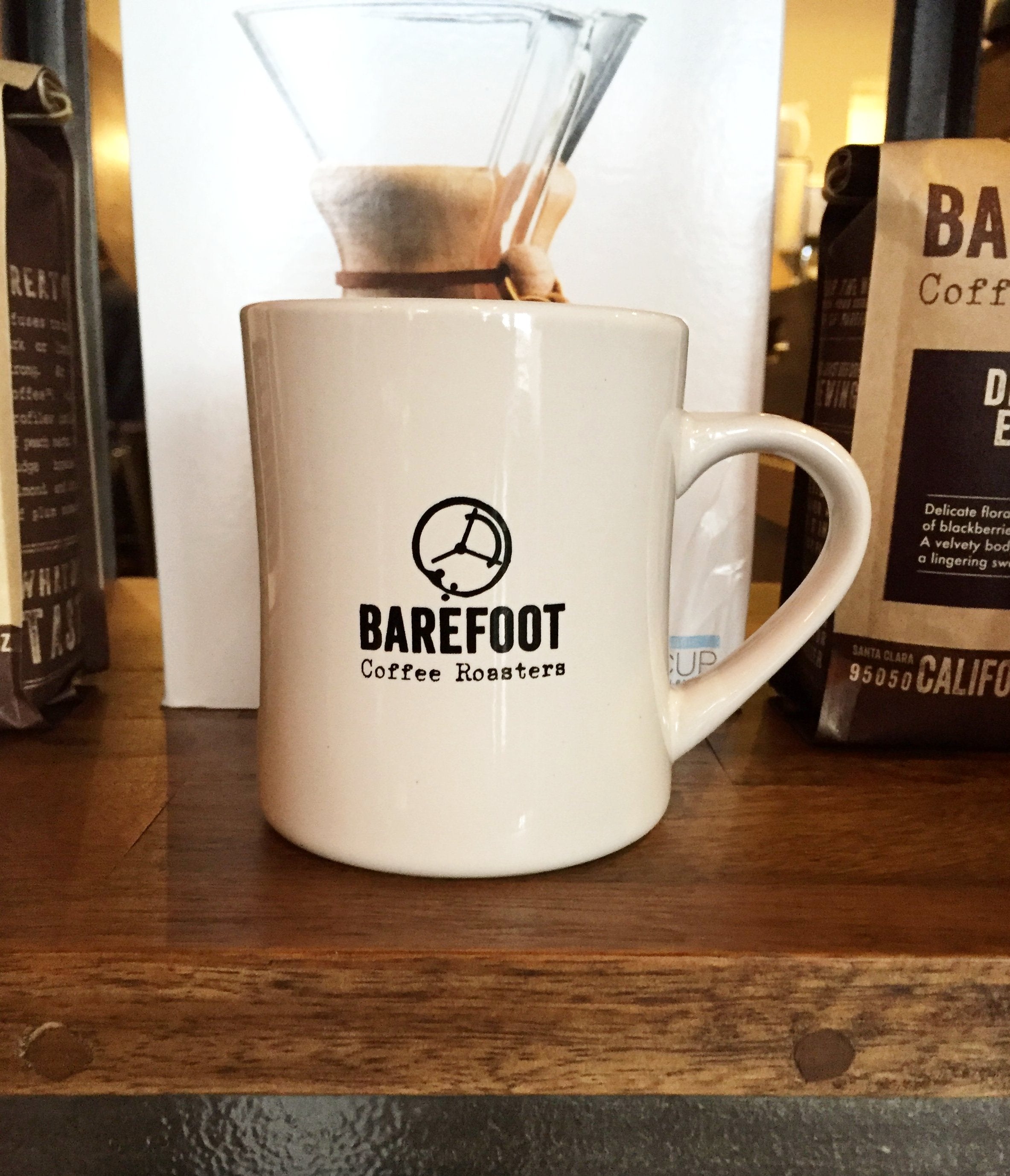
Barefoot Coffee ceramic mugs hold approximately 11oz of coffee, except the Campfire Mug which holds 13oz. All styles have white interior.


$22.50
WE TASTE: Almond aromas lead to notes of toffee, apple and apricot with juicy acidity.

$25.00 $79.00
TASTING NOTES: Floral aromas lead to notes of berry, lemon and honey with a light body.
ROAST PROFILE: Light
COUNTRY: Ethiopia
REGION: Yirgacheffe
DISTRICT: Gedeo
COMMUNITY: Aricha
ELEVATION: 1950 masl
PROCESS: Washed
OTHER: Traceable
FARM INFO
Aricha is a remote community home to one of the oldest coffee-growing traditions in the world. At harvest, producers transport bags of cherry by motorcycle, horse, or donkey to the nearest collection center. These bags then travel by truck to the central collection center in Adorsi. During the rainy season, temperatures reach 25c/77f, with higher humidity than the rest of the year. These conditions are ideal for coffee plants.
The producers of Aricha intercrop their coffee with native trees of the area like the false banana tree to shade and fertilize their fields. Since the producers deliver all their coffee in cherry, they don’t have the waste generated by depulping to compost with, so the collection centers prepare and store organic compost and distribute it among the producers. Their coffee is fermented between 48 and 72 hours in fermentation tanks then dried between 4 and 5 days on raised beds.

$22.75 $79.00
TASTING NOTES: Caramel aromas lead to notes of dried fruit, stone fruit and vanilla with a medium body.
ROAST PROFILE: Medium/Light
COUNTRY: Costa Rica
REGION: Tarrazu
ELEVATION: 1200-1800 masl
PROCESS: Washed and drum dried
OTHER: Traceable
FARM INFO
This coffee is sourced from 1,300 producer families in the Tarrazu region which has ideal growing conditions. The Central Valley is sheltered between the Pacific Coast and Talamanca Sierra – a geography that traps coastal moisture, retaining it as precipitation. When those conditions are combined with high altitudes and ample sunlight, coffee performs beautifully.
Costa Rica San Rafael Tarrazu is milled at NKG Beneficio Palmichal by NKG Ceca S.A. It is meticulously sorted as a Strictly Hard Bean quality.
Tarrazu has long been recognized as a region that produces superior coffee qualities. In 2019, Tarrazu received a Denomination of Origin (DOE) certification, a legal distinction that, like Champagne in France, can only be applied to coffees from the area. It is noteworthy that this legal determination represents a decidedly smaller portion of the area, and therefore producers that have historically contributed to “Tarrazu coffee” may not any longer.
Ceca traditionally sources a range of coffee from more than 2,000 coffee growers in the Los Santos, or greater Tarrazu, region. Ceca owns and operates Beneficio Palmichal as well as the state-of-the-art Palmichal Micro Mill, which was built in 2015. The mills are strategically located between the Tarrazu and the Central Valley regions, providing access to fresh cherry from both and facilitating separation and traceability.
Mill facilities allow for the production of a variety of qualities of washed Arabica, as well as some uniquely processed lots such as Costa Rica Sonora Honey Natural. Beneficio Palmichal also has a nursery program that in 2016 experimented with planting 350,000 seedlings using high-quality, rust-resistant varieties.
Origin photos by InterAmerican
